
加载中...
共找到 40,006 条相关资讯

Wall Street opened Monday to a continuation of last week's carnage as the Dow Jones shed over 800 points in early trade. The indices were dragged lower by a double-shot of pain: oil surging past $100 a barrel on Monday morning and stagflation fears hardening after Friday's devastating jobs report.


Rising energy prices and uncertainty brought on by tariffs creates "heightened risk around consumer spending and growth," says former Kansas City Fed President Esther George. She speaks on Bloomberg Surveillance.

Jay Clayton, U.S. Attorney for Southern District of New York and former SEC chair, discusses regulating prediction markets.

The European indices all plunged in early trading on Monday, as the war continues to take front and center stage. The later hours then we saw buyers jumping into the market.

Mohamed El-Erian, The Wharton School Rene Kern professor and Allianz chief economic advisor, joins 'Squawk Box' to discuss the latest market trends, impact of the Iran war, state of the economy, health of private credit, and more.

Prediction markets are facing a backlash over wagers being placed on the Iran war. Polymarket recently archived markets that had allowed bets on the timing of a nuclear detonation, after the contracts attracted hundreds of thousands of dollars and some public backlash.

Oil futures point to a steady fall in prices but risk remains.

Kate Moore, CIO at Citi Wealth, says the resilience in equity markets amid the war with Iran is coming from the US large cap space. -------- More on Bloomberg Television and Markets Like this video?
Nasdaq on Monday announced it will collaborate with Payward, parent company of cryptocurrency exchange Kraken, to develop tokenization infrastructure, aiming to capitalize on the growing interest in blockchain-based equities.
U.K. government bonds have been particularly hard hit by surging oil prices as investors bet inflationary pressures will quickly build in Britain and force the Bank of England to raise interest rates.

How markets react to inflation updates. The Bureau of Labor Statistics will report Consumer Price Index data for February on Wednesday, with inflation expected to have risen 2.4% in the month, according to consensus analyst estimates compiled by FactSet.

Citi has screened its retail coverage for Middle East exposure following this week's geopolitical escalation and identified Associated British Foods PLC (LSE:ABF) and Next PLC (LSE:NXT) as facing the sharpest gross margin headwinds in its UK universe, driven by a strengthening dollar rather than direct regional sales exposure. Both companies source heavily in dollar-linked currencies, meaning that every leg higher in the greenback compresses the gap between what they pay for stock and what they sell it for, a dynamic that becomes more acute as oil-driven inflation keeps the dollar elevated.

U.S. economic freedom score jumps 2.6 points in Heritage Foundation index, ending five-year decline. America ranks 22nd globally in the annual report.
The current oil price surge is driven by fear and supply shock from the Iran conflict, but extreme backwardation signals a likely sharp reversal within months. I see panic selling in airline and cruise line stocks as a contrarian buying opportunity, favoring dollar cost averaging into oversold names like ALK and NCLH.
Generally speaking, in 32 states and Washington D.C., an individual can open up a smartphone application and place a sports bet on a regulated sports betting platform like FanDuel or DraftKings.

Jay Clayton, U.S. Attorney for Southern District of New York and former SEC chair, joins 'Squawk Box' to discuss the violence outside New York City Mayor Zohran Mamdani's residence, Anthropic's battle with the Pentagon, the case against former Venezuela President Madura, regulating prediction markets, and more.
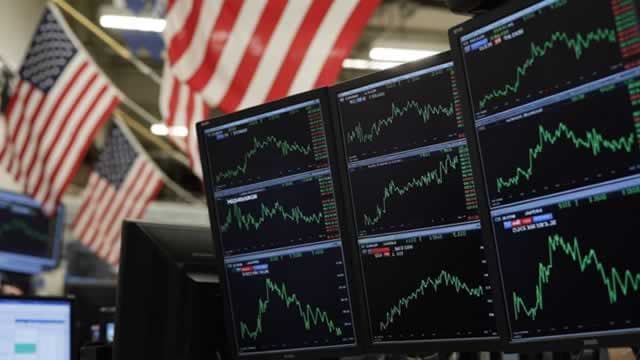
Markets look at geopolitical risks as temporary shocks, says Brandon Clark, urging investors to use history as guide. He explains how the current conflict in Iran compares to other geopolitical conflicts like the Iraq War and how price action will likely be more resilient than expected.

The S&P 500 declined 2.0% from its previous week's close to end the trading week at 6,740.02. Although geopolitics delivered the week's biggest news, other news influenced investor expectations of the future as well.

The latest U.S. jobs report is out, and it isn't pretty. The economy lost 92,000 jobs in February, missing expectations, as unemployment rose to 4.4%, according to data from the Labor Department.

Thematic exchange-traded fund assets in the U.S. have surged from $22 billion in 2015 to over $193 billion today, but not all thematic funds deliver on their promises, according to a new FactSet analysis.