
加载中...
共找到 39,996 条相关资讯
Are prediction markets poised to win over big institutional players? Robinhood CEO Vlad Tenev joins Tracy Alloway and Joe Weisenthal on the Odd Lots podcast to discuss where the company stands in the prediction market space, how he thinks betting markets will grow and what he thinks about the alien disclosure contract.


Are prediction markets poised to win over big institutional players? Robinhood CEO Vlad Tenev joins Tracy Alloway and Joe Weisenthal on the Odd Lots podcast to discuss where the company stands in the prediction market space, how he thinks betting markets will grow and what he thinks about the alien disclosure contract.

Stock-market jitters are back. But some experts think investors aren't jittery enough.
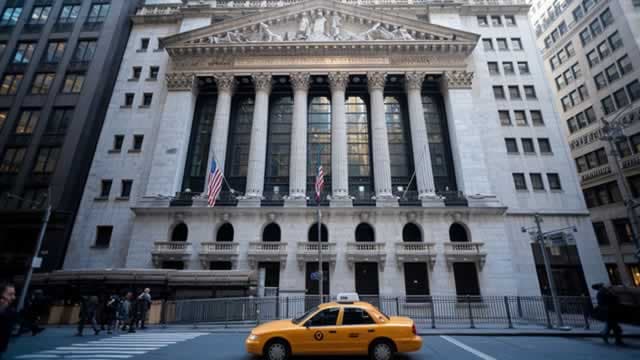
Selloffs in South Korea, Japan, and Taiwan highlight supply-chain and energy risks that could eventually spill into U.S. markets as the Iran conflict escalates.
Oil's surge toward $120 per barrel is rattling energy markets and fueling inflation fears. But for one corner of the market, the spike could be a tailwind.
During the fourth quarter of 2025, U.S. financial markets extended their advance while navigating a narrowing margin for error across policy, valuation, and economic data. The period was defined by a complex mix of moderating inflation, softening labor conditions, fiscal uncertainty, and the continued, but increasingly scrutinized, buildout of artificial intelligence infrastructure.
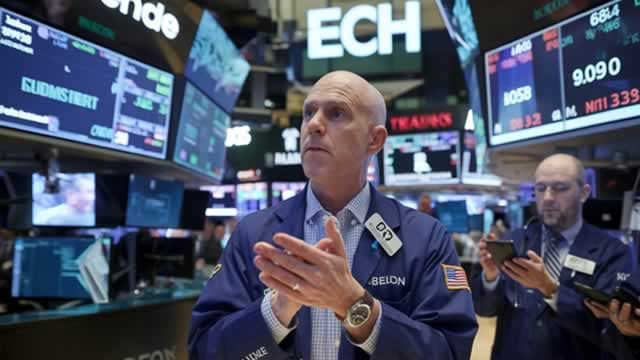
Defense giants are emerging as relative winners from the Iran war and the oil shock roiling global markets, with investors flocking to the largest U.S. primes as hedges against escalating conflict and inflation risk.

Two US banks posted double-digit percentage growth in assets on a sequential basis in the fourth quarter of 2025, causing a shake-up in the US banking industry asset rankings. In the most recent quarter, the 50 largest US banks reported a $186.20 billion increase in assets, with 38 institutions posting growth.

We currently recommend a 60% stock allocation, awaiting a confirmed ST-MSI sentiment signal before increasing exposure. We are reviewing if the war has changed this.
Main Management CEO Kim Arthur tells CNBC's Dominic Chu on ‘Halftime Report' what he's seeing in his sector rotation fund, and whether the volatility is exacerbating that trend - or reversing it.
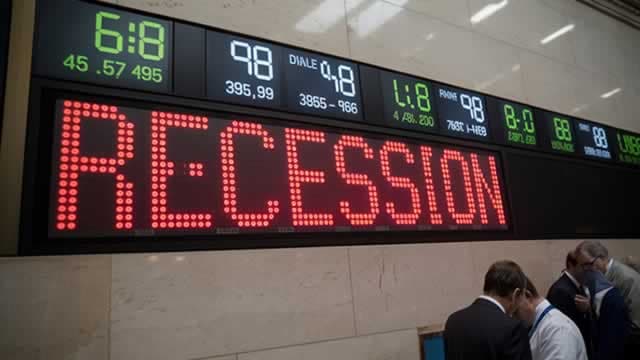
The price of oil continued to surge Monday as the war in Iran stretched into its second week, raising questions about its effect on consumers, markets and the global economy.

The president insists conflict with Iran will be brief, but world leaders are preparing for severe economic blowback.

A big story in 2026 has been how well international markets have done, especially South Korea. At its peak in late February, the KOSPI, South Korea's main stock index, was up nearly 50% year todate.

Accept it, you can't pick a stock market bottom. NO one can.

Implied volatilities spiked across asset classes last week as the Iran conflict escalated, with oil prices jumping over 35%. Given the relatively modest SPX index decline of -2% last week, the “expected” VIX index increase was only +2.4 pts.

Wall Street opened the week still in negative territory as tensions in the Middle East continued to ripple across global markets.

Investors are now seriously considering the possibility that war in the Middle East could create a stagflationary shock, just as it did 50 years ago, when disruption to global energy supplies sent inflation surging, and battered growth

The iShares Russell 2000 ETF, a key benchmark for small-cap performance, has underperformed the broader market.

Stocks are lower, oil is surging, and volatility is spiking — Joe Tigay of the Rational Equity Armor Fund reveals where smart investors are finding opportunity and how to profit from the chaos.

The closure of the Strait of Hormuz threatens global supply chains far beyond energy, impacting food, plastics, and industrial inputs. Rising oil and natural gas prices are straining consumers already facing declining savings and increased reliance on credit.