
加载中...
共找到 39,810 条相关资讯
A 20% S&P 500 decline is now a plausible scenario amid rising macro risks. Elevated oil prices and widening credit spreads are pressuring valuations and earnings yields.


Private credit funds make loans to companies, often paying investors in the fund higher interest due to illiquidity and risk involved. Certain semi-liquid private credit funds have seen high redemption requests from investors this year, raising concerns that trouble is brewing in the market.
The Trump administration's policy of reducing immigration has slowed labor force growth, economic growth and job creation. Federal Reserve Board Chair Jerome Powell has noted that the U.S. labor market has experienced no growth and no net private-sector job creation over the past several months.

The S&P 500 faces heightened volatility amid escalating Iranian conflict and energy market disruptions, with downside risks not yet fully resolved. Despite U.S. market resilience, credit stress indicators and surging demand for hedges signal defensive positioning and fears of a deeper financial crisis.

Menstrual products have become more expensive over the past few years, in part due to rising inflation and new tariff policies. According to the most recent data, the average price of those products — which includes tampons and sanitary pads — has risen nearly 40%.
I remain bullish on U.S. cyclical value and manufacturing stocks, driven by synchronized economic growth and structural tailwinds. Policy shifts toward looser bank capital rules and direct liquidity injections are designed to accelerate nominal growth, supporting a "run it hot" economic playbook.
An aging population can continue to fuel hiring in healthcare even if the rest of the economy wobbles.

Equity markets are underpricing the risk of a major energy crisis stemming from the closure of the Strait of Hormuz, which threatens global oil and LNG supplies. US economic growth remains robust, supported by fiscal stimulus and manufacturing recovery, but higher energy and food prices pose rising downside risks.
The S&P 500 finished the week at its lowest level in over six months. The index posted a weekly loss of 1.9%, its fourth straight week in the red, and is now 6.77% off its all-time high from January 27, 2026.
Equity markets have pulled back 6.8% from January highs, with defensive posturing warranted amid Middle East tensions and energy disruptions. Oil prices have surged due to the Iranian blockade of the Strait of Hormuz, driving commodities higher and pressuring equities, especially in Europe and Asia.
The Iran war has investors rethinking a rush out of U.S. stocks into overseas markets.
Federal Reserve Chair Jerome Powell praised his predecessor Paul Volcker's willingness to resist political pressure in a speech Saturday, days after indicating he would remain at the helm of the central bank past his May term expiration if his successor hasn't been confirmed.
FOX Business Gerri Willis has the details on the fight to stop Wall Street from competing with Main Street homebuyers on 'Varney & Co.' #foxbusiness #varneyandco 00:00 Lawmakers Target Big Housing Investors 00:19 The Shrinking Footprint of Large Investors 00:43 The Rise of 'Mom and Pop' Investors 00:52 Where Investor Activity Is Concentrated 01:19 Industry Debate: NAR vs. NAHB

The market's biggest story isn't where most people are looking There's an old story you may know that perfectly captures what's happening in the market right now. It's about a man searching for his lost keys under a streetlight.
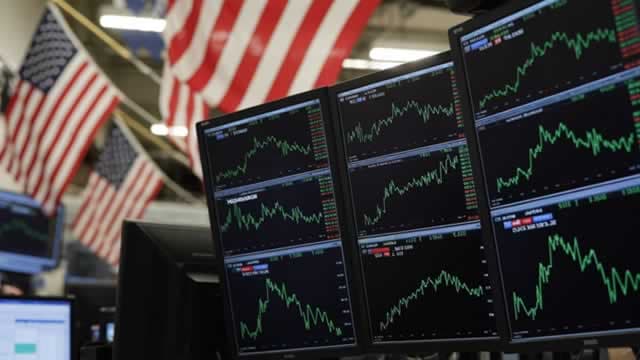
SEC Commissioner Hester Peirce indicates an openness to work with Wall Street on fresh exchange-traded fund products tied to cryptocurrencies and tokenization.
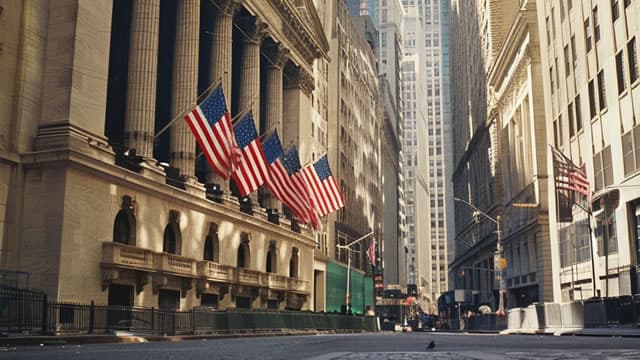
MBS yields surged 20 bps in Friday trading to 5.47%, with a three-week spike of 66 bps. It was the largest daily yield spike since April 7th (21bps).
Strikes on energy infrastructure in the Middle East conflict have sent natural gas prices soaring. Alex Morgan explains why the disruption could reshape gas markets for years to come.
Energy markets remain volatile as Middle East tensions escalate. Central banks largely hold rates amid uncertainty.
The economic shock from the Iran conflict can take on outsize importance for those close to or in retirement
Former Federal Reserve Vice Chair for Supervision Randal Quarles says that the uncertainty from war could hit the economy sooner than we think. He cautions that business investment is liable to fall because of a volatile and uncertain environment.