
加载中...
共找到 39,810 条相关资讯

The surge in Brent oil prices above $100, now sustained for over a week, has shifted the macro narrative from a temporary geopolitical shock to a potentially persistent inflation risk. While markets remain split, with equities signaling resilience and rates pricing caution, the Federal Reserve faces a more complex trade-off between supporting growth and containing inflation.


Is this stock market correction the beginning of a bear market? If you missed the non-US stock surge last year, should you be buying this dip?

Oil prices jumped, while Asian equities and government bonds fell across the board.

European stocks are expected to start the new trading week sharply lower as the war in Iran drags on global market sentiment.

The CNN Money Fear and Greed index showed an increase in overall fear, while it remained in the “Extreme Fear” zone on Friday.

U.S. Energy Secretary Chris Wright and Interior Secretary Doug Burgum discussed everything from raising domestic oil output to opportunities in Venezuela with energy executives in Houston on Sunday amid the world's worst supply disruption, due to the U.S.-Israeli war on Iran.

Richard Bernstein Advisors CEO and CIO Richard Bernstein offers insight on investment strategies during conflict and rising inflation on 'Barron's Roundtable.' #fox #media #breakingnews #us #usa #new #news #breaking #foxnews #barronsroundtable #economy #inflation #investing #stocks #market #finance #taxes #war #global #strategy #business #wealth #richardbernstein #bernstein #money #trade
I remain bullish on US growth stocks, advising against panic selling or moving entirely to cash despite current market volatility. International equities have underperformed US stocks over the long term; recent currency and energy dynamics reinforce the case for US market leadership.
We think the recent correction in gold mining stocks presents a timely buying opportunity. The 2-year yield has risen the most, up a full 50 basis points, reversing the recent inversion at the short end of the curve.
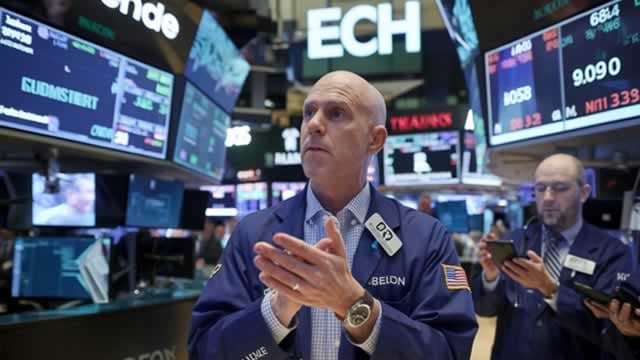
Federal Reserve Board Gov. Michelle Bowman discusses where interest rates are going and the job market performance on 'Maria Bartiromo's Wall Street.

U.S. stock-index futures fell on Sunday, as new threats of escalation from both President Donald Trump and Iran threatened to intensify the conflict roiling the Persian Gulf region.

The S&P 500 faces mounting bearish pressures from the Iran war and a coordinated hawkish shift by global central banks. Technical signals suggest a potential short-term bounce from the 6500 support area, but upside is likely capped near 6764–6775.
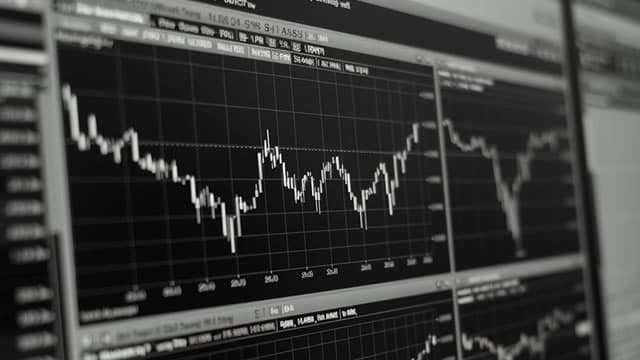
You'll experience losses when a bear market comes, but most active managers will do even worse.

The once-reliable trade on Wall Street, that President Trump “always chickens out,” could be torpedoed by the Iran conflict.

Macro pressure is intensifying as all five major central banks delivered restrictive decisions in the same week, with the Fed caught in a stagflation trap. Strategy added 22,337 BTC last week for $1.57 billion, bringing total holdings to 761,068.

Corporate executives on a recent CNBC CFO Council call expressed concern about the risk of a sustained rise in oil prices if the Strait of Hormuz closure is not soon resolved. President Trump issued a deadline for Iran to reopen the strait over the weekend, and the military has intensified attacks related to the closure, but the C-suite has set its own deadline for a reopening: about two weeks.

Historical data is suggesting that the stock market may ultimately emerge on top despite the recent volatility tied to the Middle East conflict involving the U.S., Israel, and Iran.

Larry Kudlow routinely preaches what's true, that “free market capitalism is the best path to prosperity.” Yet last week, and after Fed Chairman Jerome Powell chose to hold the Fed funds rate at its present level, Kudlow posted on X about how “It's crucial that Kevin Warsh be liberated as rapidly as possible to take over the Fed and get rid of models that say stronger growth leads to higher inflation.

Eurasia Group President and Founder Ian Bremmer joins David Gura and Christina Ruffini this morning for a wide-ranging conversation on President Trump's actions during the Iranian war and the impact on global markets and America's international standing. Bloomberg This Weekend to break it down.
Major central banks, including the Fed, ECB, BOJ, and BOE, kept rates unchanged, signaling increased hawkishness due to Iran war-driven inflation risks. Rising energy prices from the Iran conflict have pushed up inflation expectations and long-term yields, reducing the likelihood of multiple rate cuts in 2026.