
加载中...
共找到 39,793 条相关资讯

Inflation fears and forced selling have led to a sharp increase in Treasury yields.

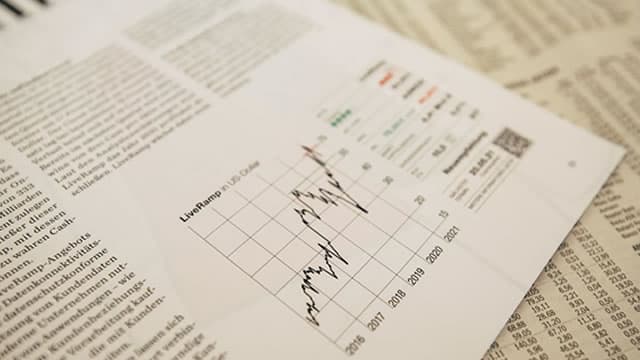
It Is fast-growing, opaque and intertwined with banks but lacks the scale and leverage that cashiered the economy in 2007.

When Markets Disagree, Pay Attention In today's modern version of “Family Feud: Market Edition,” we're looking at a classic internal battle within the market: “Granny” Retail Sector and the consumer stocksvs.“Granddad” Russell 2000 and the small cap stocks When these two are aligned, markets tend to trend smoothly.
For nearly a thousand years, the Theodosian Walls of Constantinople (modern-day Istanbul) stood as one of the most formidable defenses ever constructed.

Oil and natural-gas are just the beginning of the disruptions that the closure of the Strait of Hormuz has sent rippling through markets for fertilizer, semiconductors, packaged consumer products and cotton.
There are 193 active petrochemical complexes in the Middle East, handling 22% of global supply, all dependent on the Strait of Hormuz for shipping their product. Even though consumers don't feel the price impact as quickly as they do with gasoline, it's coming, with petrochemical use wide-ranging across the economy, and essentially, impacting everything consumed from autos to medical supplies, textiles, detergents, food, and beverages.

Shares of Veeco and Axcelis have lagged their larger semiconductor-equipment peers, making them potentially compelling opportunities for investors.
Q1 2026 saw rapid narrative rotations — from AI optimism, to SaaS multiple compression, to geopolitical shocks — fueling volatility and depressed investor sentiment. Despite negative sentiment, ISM Manufacturing PMI exited contraction after three years, signaling a manufacturing rebound likely tied to infrastructure and reshoring.
The technology sector (XLK) now trades near a 20x P/E, matching the S&P 500, while offering over 50% higher consensus long-term earnings growth. Recent market selloff, driven by geopolitical and macro concerns, presents a selective buying opportunity, especially in tech and certain high-yield names.
Oil industry executives painted a grim picture of the Iran war supply disruption at S&P Global's annual CERAWeek energy conference in Houston. They warned that the disruption is bigger than the markets understand and prices are unlikely to return to pre-war levels soon.
Managed future trading strategies boomed during 2022 when stocks and bonds were both falling and oil prices were last over $100, and are getting more attention during the current market and economic uncertainty. It is a small category, with managed futures ETFs collectively holding around $6.5 billion in assets, according to ETFAction.com, but it has been seeing inflows.

The first quarter of 2026 saw heightened geopolitical risk, commodity price spikes, and turmoil in private credit markets. Stagflation risks are mounting as the closure of the Strait of Hormuz drives up oil, natural gas, and diesel prices.
Oil executives and analysts warn that the Strait of Hormuz needs to be reopened by mid-April or oil-supply disruptions will get significantly worse. Benchmark oil prices reflect some optimistic scenarios that could still come true, but the window for that to happen is closing.
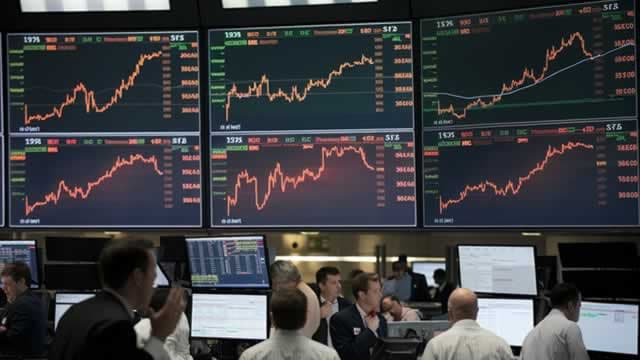
The problem, as I see it, is that fragile markets have more to lose with each passing day. Markets on Friday began to accept the seriousness of an unfolding predicament not readily amenable to Trump and Fed puts.
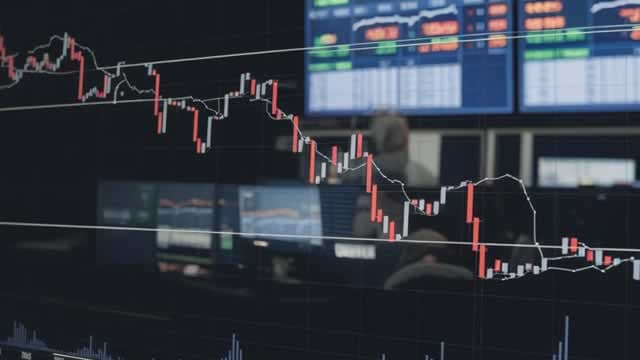
Multiple scenarios are emerging for a macro-driven, volatile market where Trump's flip-flopping, oil shocks, and stagflation fears have made every asset class a hostage to geopolitical headlines. Commodities now dominate on-chain perpetual futures, with oil and silver surpassing major crypto tokens in trading volume as traditional finance migrates to 24/7 venues.

The S&P 500 stock index has lost around 7.2 percent of its value from its last record high, on January 27, to its close on Thursday. S&P 500 earnings per share grew 13.4 percent over the quarter, a much better result than the 7.1 percent consensus projection economists were making as the fourth quarter got underway.

The One Point BFG Wealth Partners CEO lists which market groups are most vulnerable.

Tech Backlash. The major indexes fell sharply Friday, closing out a fifth consecutive week of declines. Outside of the energy sector, there was little place to hide. Tech stocks continued to get hit hard, thanks to a combination of AI fears, regulatory worries, and supply-chain concerns, all as rising oil prices stoke inflation fears.
'Mad Money' host Jim Cramer looks back at this week's market action.
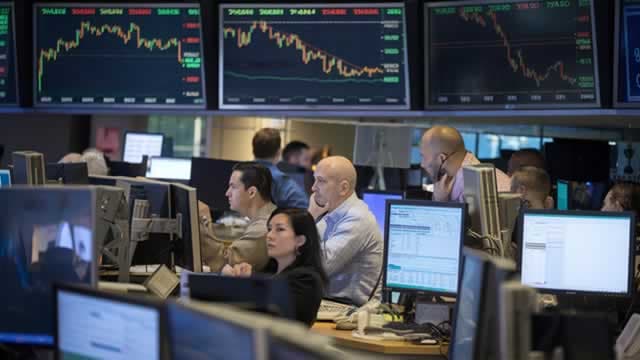
Geopolitical tensions and failed U.S.-Iran negotiations have driven extreme volatility in equities, commodities, and safe-haven assets. The S&P 500 remains below its 200-day moving average, signaling broad market weakness and a defensive investor shift from overvalued sectors.