
加载中...
共找到 39,606 条相关资讯

U.S. crude stocks rose while gasoline and distillate inventories fell last week, the Energy Information Administration said on Wednesday.


Exxon Mobil on Wednesday said disruptions to its assets in the Middle East will reduce its global oil production by 6% in its current quarter, likely shedding up to $6.5 billion from its earnings. Shell similarly warned its first-quarter gas production was likely to be lowered from between 920,000 and 980,000 barrels of oil equivalent per day to 880,000 and 920,000, and that its capital outflow could be lower over time if oil and gas prices ease.

Realtor.com identified 13 U.S. housing markets where at least half of active listings were priced above $1 million but with fewer than 500 such listings. Nearly all of Nantucket's active listings are priced at $1 million or higher with a median listing price of $4.08 million, the real estate platform found.

The reprieve from war and inflation fears boosted airlines, gold, copper and construction stocks.

Wall Street stocks have opened firmly higher, led by the Nasdaq, gaining 2.9% and the small cap Russell 2000, with a 3.45% jump.

Gold and silver have generally declined throughout the Iran war, bucking conventional wisdom that global conflicts help metals prices rise. Some analysts have noted gold and silver prices had an inverse relationship with oil, which has surged throughout the war.

A trading expert has warned that technical indicators are pointing to a further correction in the benchmark S&P 500 index in the coming months.

Multiple cross-asset signals are aligning, pointing to a shift in the current market regime rather than isolated risks within equities. Rising rates, persistent inflation, and heavy Treasury supply challenge valuation support and increase pressure on risk assets.

US stock futures surged Wednesday morning as oil plunged near $90 after a two-week ceasefire with Iran narrowly avoided President Trump's 8 p.m. ET bombing deadline, and included the reopening of the Strait of Hormuz.
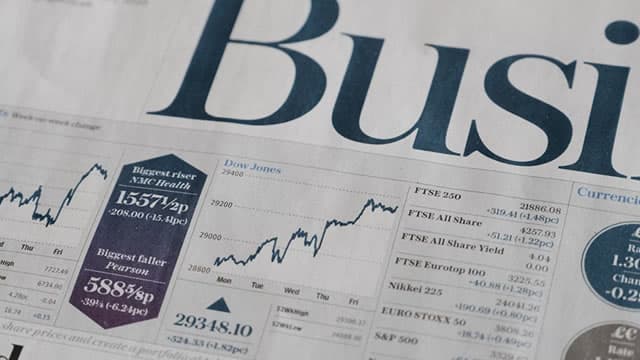
US stocks surged on Wednesday after a surprise two-week ceasefire agreement between the United States and Iran eased geopolitical tensions and sent oil prices sharply lower, boosting risk appetite across global markets. The announcement, made just hours before US President Donald Trump's deadline for Iran to reopen the Strait of Hormuz, triggered a broad “risk-on” move.
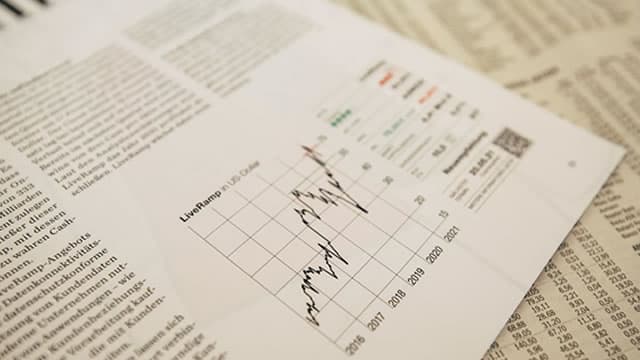
Early 2026 has seen some particularly big analyst misses, and they're adjusting to more volatility.

Peter Kraus, Aperture Investors chair and CEO, joins 'Squawk Box' to discuss what investors should be looking at, his inflation outlook, private credit, and more.

Traders are entertaining the possibility of an interest rate cut by the end of the year now that the U.S. and Iran have agreed to a cease fire. Odds for a reduction jumped Wednesday morning, hitting about 43%, against 14% prior to the announcement.

Most theories of “inflation” revolve around some kind of money creation. In the past, this was commonly done with a printing press; thus “money printing.

Investors are recalibrating their strategies in response to renewed geopolitical uncertainty, crafting a fresh “Trump trade” playbook as markets react to shifting dynamics around US-Iran tensions, oil prices, and global monetary policy. With inflation and interest rate trajectories increasingly difficult to predict, many investors are stepping away from long-term positioning and instead focusing on short-term opportunities created by market dislocations during the Iran conflict.
Rebecca Walser (@walserwealth) says she's surprised by the U.S.-Iran ceasefire and remains wary of Wall Street getting too far ahead of headlines. Any reversal of peace talks is something Rebecca sees igniting another market sell-off.

Geopolitical tensions eased with a two-week ceasefire, triggering a sharp market rebound and a plunge in oil prices. Durable goods data and robust capital goods shipments signal continued U.S. economic resilience and healthy business spending.

As of April 8, 2026, two stocks in the real estate sector could be flashing a real warning to investors who value momentum as a key criteria in their trading decisions.
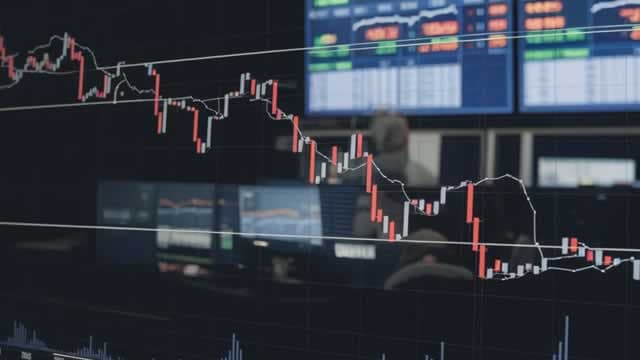
Oil prices appear close to topping as Strait of Hormuz disruptions ease and global supply routes normalize. Iran's leverage over oil flows is peaking, incentivizing it to monetize before alternatives diminish its power.
The hedge fund industry consists of a wide variety of strategies that attract varying levels of investor interest over time. Factors such as capital market valuations, economic growth expectations, inflation rates, market liquidity, and risk tolerance significantly influence the demand for each strategy.