
加载中...
共找到 39,599 条相关资讯

The Iran cease-fire may be the ‘green light' the Fed needs.


@CharlesSchwab's Joe Mazzola believes there's more going on than short covering in Wednesday's trading action after the U.S. and Iran agreed to a two-week ceasefire. That said, he warns investors that a reversal of headlines will lead markets to sell off once again.

A huge relief rally was underway in the stock market Wednesday following a two-week cease-fire deal between the U.S. and Iran.

Oil slumped, and risk assets surged late on Tuesday after news broke of a ceasefire between the US/Israeli coalition and Iran. The announcement came less than two hours before President Trump's deadline for Iran to reopen the Strait of Hormuz, or risk suffering an intense bombardment of its power plants and bridges.
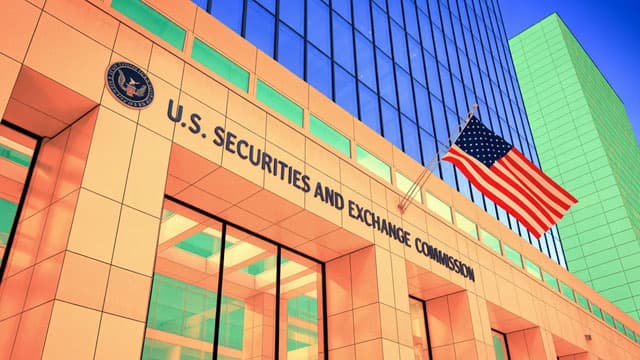
The U.S. Securities and Exchange Commission has tapped a white collar enforcement lawyer and former agency official to be its next enforcement director after the regulator's top cop abruptly quit last month, three sources familiar with the matter told Reuters.

Companies like SLB and Baker Hughes should benefit from postconflict repairs to oil infrastructure and increased output.

The first quarter of 2026 was a masterclass in fixed income volatility. After a blistering start, markets pivoted toward safe haven Treasuries as geopolitical tensions drove the 10-year yield hit 4.48%.

Roger Altman, founder and senior chairman at Evercore, joins 'Squawk on the Street' to discuss the Iran war, the Trump administration, and more.

A two-week ceasefire deal sent stocks soaring Wednesday.

6,812 is the level to watch in the S&P 500 (SPX) for Wednesday, says Kevin Green, believing a push above that level will cement the strength of the current relief rally. Looking ahead, brace for energy disruptions to create further price volatility.

Airlines and cruise lines rallied double digits while crude oil plunged over 17% at Wednesday's opening bell. Diane King Hall explains the price action and how earnings from Delta Airlines (DAL) added to optimism for the travel industry.

The U.S. opted not to bomb Iran on Tuesday – instead choosing a two-week ceasefire, according to the New York Times.

Despite resilient equity markets and some news Tuesday on the conflict in the Middle East, significant stress is emerging in select asset classes and global markets. Key areas under pressure include cryptocurrencies, housing, Japanese bonds, private credit, and commercial real estate.

U.S. crude stocks rose while gasoline and distillate inventories fell last week, the Energy Information Administration said on Wednesday.

Exxon Mobil on Wednesday said disruptions to its assets in the Middle East will reduce its global oil production by 6% in its current quarter, likely shedding up to $6.5 billion from its earnings. Shell similarly warned its first-quarter gas production was likely to be lowered from between 920,000 and 980,000 barrels of oil equivalent per day to 880,000 and 920,000, and that its capital outflow could be lower over time if oil and gas prices ease.

Realtor.com identified 13 U.S. housing markets where at least half of active listings were priced above $1 million but with fewer than 500 such listings. Nearly all of Nantucket's active listings are priced at $1 million or higher with a median listing price of $4.08 million, the real estate platform found.

The reprieve from war and inflation fears boosted airlines, gold, copper and construction stocks.

Wall Street stocks have opened firmly higher, led by the Nasdaq, gaining 2.9% and the small cap Russell 2000, with a 3.45% jump.

Gold and silver have generally declined throughout the Iran war, bucking conventional wisdom that global conflicts help metals prices rise. Some analysts have noted gold and silver prices had an inverse relationship with oil, which has surged throughout the war.

A trading expert has warned that technical indicators are pointing to a further correction in the benchmark S&P 500 index in the coming months.