
加载中...
共找到 38,890 条相关资讯

Robert Diamond, Atlas Merchant Capital Founding Partner and CEO, says rate cuts are unlikely, warns on inflation and debt risks, and highlights growth in 24 7 trading and commodities markets.


Steve Eisman, ‘The Real Eisman Playbook' podcast host and former Neuberger senior portfolio manager, joins 'Squawk Box' to discuss the state of the economy, latest market trends, state of private credit, and more.

Kenny Polcari joins Diane King Hall at the NYSE to provide his market analysis as investors gauge positioning amidst elevated crude oil prices. He says the inflation data will also be elevated, as it goes hand and hand with energy costs pressuring consumers.

First quarter output, driven by AI investment and government spending, rose as oil shock fuels inflation fears

The U.S. economy rebounded to a solid 2% annual growth rate in the first quarter after a tepid 0.5% growth rate in the prior quarter, as the artificial-intelligence spending boom appears to be gathering steam.
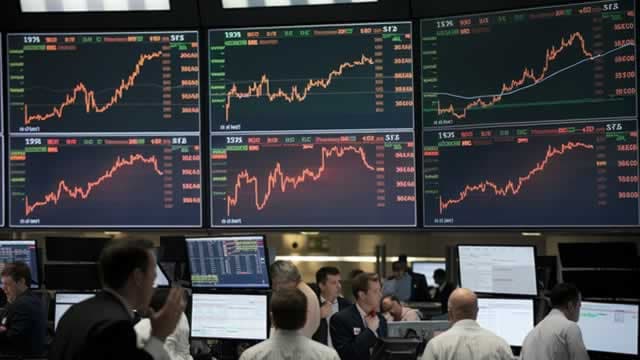
Higher energy prices ratcheted up the Federal Reserve's preferred measure of inflation in March, illustrating why plans for further rate cuts have grown divisive at the central bank.

A day after 4 Mag 7 companies reported their quarterly numbers, futures are moving higher despite threats of escalation in Iran and higher oil prices. Kevin Green examines the reports of Alphabet (GOOGL), which is rallying after strong Gemini growth, and Meta Platforms (META), which is the worst performing of the Mag 7 after announcing higher Capex spending.
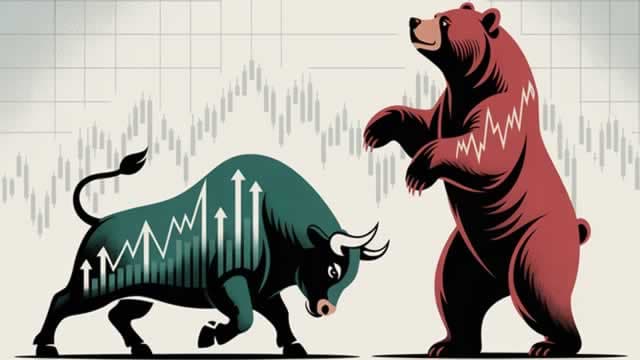
Gary Cohn, IBM vice chairman and former Trump NEC director, joins 'Squawk Box' to discuss the state of AI capex spending, state of the economy, impact of Iran war on oil prices, news of White House opposing Anthropic's plan to expand access to Mythos model, the Fed's interest rate outlook, and more.

Federal debt exceeding the size of the economy is a potent symbol of the gathering fiscal stresses on the U.S.

The Federal Reserve's favored inflation reading rose once again in March, according to federal data published Thursday, providing the latest insight into how the war in Iran disrupted consumer prices for Americans.

U.S. jobless claims fell more than expected last week as layoffs remained contained despite cooling job growth.

The latest PCE inflation data was released by the Commerce Department which showed that inflation rose and remained elevated in March due in part to the Iran war's impact.

Core inflation rate hit 3.2% in March, as expected; GDP grew 2% in first quarter

The Fed delivered as expected yesterday, leaving rates unchanged. However, the FOMC statement did highlight growing uncertainty for the economy, and by extension, the markets.

A key measure of inflation used by the Federal Reserve to set interest rates posted the biggest increase in March in almost three years, marking another major hurdle for a resilient but harried U.S. economy.

The Commerce Department said U.S. gross domestic product rose at a seasonally and inflation adjusted 2% annual rate in the first quarter.

AI has created clear winners and losers. But the next wave won't follow the same playbook — and most investors are still positioned for the last one.

Rates drop, US indices rally again on Thursday, as this correlation continues to be a major driver of where we go. That being said, this is a market that is still moving on the latest headline.

President Donald Trump said he will blockade Iran until it agrees to a nuclear deal. But it could take a while before the regime feels enough economic pressure.

This is noteworthy because this balanced portfolio has come in for considerable criticism over the past couple of years. It suffered one of its worst years on record in 2022, for example, leading many investors to conclude that there are better ways to reduce portfolio risk than taking 40% of a stock portfolio and investing it in bonds.